
Published: 2026-07-03 11:53:11Source: CollectorViews:
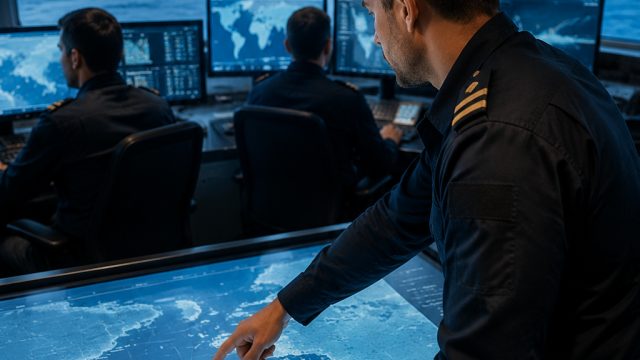
In the ever-evolving landscape of maritime security, the implementation of distributed operations has become a critical strategy. This approach not only enhances mission effectiveness but also significantly reduces vulnerability to potential threats. As tensions rise in regions like the West Philippine Sea, understanding the dynamics of distributed operations is more crucial than ever.
Distributed operations refer to a strategic military method that involves splitting larger missions into smaller, coordinated actions. This concept promotes flexibility, adaptability, and resilience in maritime environments. By decentralizing operations, naval forces can minimize the risk of interception by adversaries while maximizing their operational reach.
Resilience in naval operations is vital for maintaining security and deterrence. By employing distributed operations, forces can achieve several key advantages:
The West Philippine Sea, an area rich in resources and strategic importance, has seen increased military activities from various nations. Implementing distributed operations here can bolster regional stability and deter potential aggression. By employing this strategy, allied forces can:
Joint operations among allied nations can improve collective security. By coordinating smaller tasks and missions, these nations can share resources and intelligence, resulting in a more robust defense posture.
Modern technology plays a significant role in the effectiveness of distributed operations. Innovation in communication systems, surveillance technology, and autonomous vehicles can enhance the capabilities of dispersed naval units. This technological edge allows for:
Despite its benefits, the implementation of distributed operations is not without challenges. Key considerations include:
Coordinating multiple units across vast maritime areas can present logistical hurdles, such as supply chain management and communication breakdowns. Ensuring that all units have access to necessary resources is essential for mission success.
In a distributed framework, maintaining effective command and control becomes complex. Establishing clear protocols and communication channels is critical to preventing confusion during dynamic operations.
As geopolitical tensions continue to shape the maritime landscape, distributed operations emerge as a vital strategy for improving resilience and security. By embracing this approach, naval forces can enhance their operational effectiveness, better protect national interests, and contribute to regional stability in areas like the West Philippine Sea. The future of maritime security may well depend on the successful integration of distributed operations and cutting-edge technology.
Previous:US Offers Temporary Relief on

Qutoutiao | free slo
2.90 MB | Make money by reading

Bubble headlines | z
6.86MB | Make money by reading

Qilin.com | aha slot
1.59 MB | Make money by reading

Douyin speed version
13.1 MB | Make money by reading

Easter egg video | k
8.86 MB | Make money by reading

Shell turn | ratu111
16.25 MB | Make money by reading

Ant Highlights | sit
7.68MB | Make money by reading

lightning box | raja
8.03MB | Make money by reading

2026-07-03
Jaron Pierre Jr. Tak
Top 5 Must-Have Apps
Unleash Your Inner S
Exploring the Best N
Understanding Game D
Game On: The Best Fi
The Rise of Mobile G
The Evolution of Mob
Exploring the Best F
Bubble headlines | z
Make money by readingQilin.com | aha slot
Make money by readingDouyin speed version
Make money by readingEaster egg video | k
Make money by readingShell turn | ratu111
Make money by readingAnt Highlights | sit
Make money by readinglightning box | raja
Make money by readingKandian Express | ka
Make money by readingEnjoy information an
Make money by reading