
Published: 2026-07-03 11:53:11Source: CollectorViews:
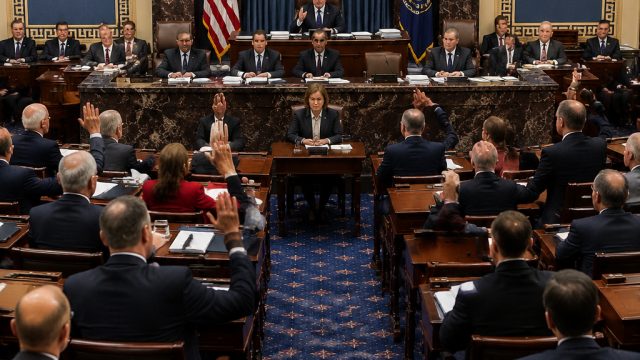
In a significant move that could reshape the dynamics of US-Iran relations, the Senate recently passed a resolution aimed at limiting the military powers of the Trump administration concerning Iran. This vote signals a critical moment in American foreign policy, reflecting growing bipartisan concerns over military engagements abroad.
The resolution, which was already passed by the House, directs President Trump to limit military actions against Iran unless he secures explicit congressional approval. This legislative action comes amid escalating tensions in the Middle East and a series of aggressive maneuvers by both nations.
Following the assassination of Iranian General Qasem Soleimani by a US drone strike in January 2020, tensions soared between the two nations. The resulting backlash from Iran and fear of retaliatory measures led many lawmakers to question the administration's strategy. Senators from both parties voiced the need for more checks on the executive's military authority.
The passage of this resolution reflects a rare moment of bipartisan unity in a historically polarized Congress. Senators from both sides of the aisle expressed concerns over the unchecked growth of military engagement and the lack of proper oversight. However, the resolution is not without its critics. Some lawmakers argue that it undermines the executive branch's ability to respond swiftly to threats.
As the Senate grapples with this resolution, the broader implications for US-Iran relations remain uncertain. The decision reflects a growing unease with military actions and a shift towards seeking diplomatic solutions. Experts believe that this move could potentially open the door for more dialogue and negotiations, although significant hurdles remain due to ongoing sanctions and regional unrest.
The international community is closely watching these developments. Allies in Europe have expressed hopes that the US will return to a diplomatic approach with Iran, particularly concerning the Joint Comprehensive Plan of Action (JCPOA) nuclear deal that was abandoned by the Trump administration.
The Senate's recent resolution marks a pivotal moment for US foreign policy, especially in the context of rising tensions with Iran. As lawmakers emphasize the need for checks on executive authority, the future of US-Iran relations hangs in the balance. This vote not only reshapes the legal landscape for military actions but also signals a shift towards a more collaborative approach in addressing complex global challenges.
As we look ahead, the implications of this decision will be felt both domestically and internationally. The need for a cohesive strategy that prioritizes diplomacy alongside military readiness is now more critical than ever.
Previous:Lyndhurst Police Respond to Te

Qutoutiao | free slo
2.90 MB | Make money by reading

Bubble headlines | z
6.86MB | Make money by reading

Qilin.com | aha slot
1.59 MB | Make money by reading

Douyin speed version
13.1 MB | Make money by reading

Easter egg video | k
8.86 MB | Make money by reading

Shell turn | ratu111
16.25 MB | Make money by reading

Ant Highlights | sit
7.68MB | Make money by reading

lightning box | raja
8.03MB | Make money by reading

2026-07-03
Da Liu Shun, be the
PvX Partners Raises
Game On: The Top 10
The Rise of Mobile G
Jaron Pierre Jr. Tak
Get Fit with Fun: Th
Mobile vs. Console G
The Phenomenon of Mo
How 'Fitness Frenzy'
Bubble headlines | z
Make money by readingQilin.com | aha slot
Make money by readingDouyin speed version
Make money by readingEaster egg video | k
Make money by readingShell turn | ratu111
Make money by readingAnt Highlights | sit
Make money by readinglightning box | raja
Make money by readingKandian Express | ka
Make money by readingEnjoy information an
Make money by reading